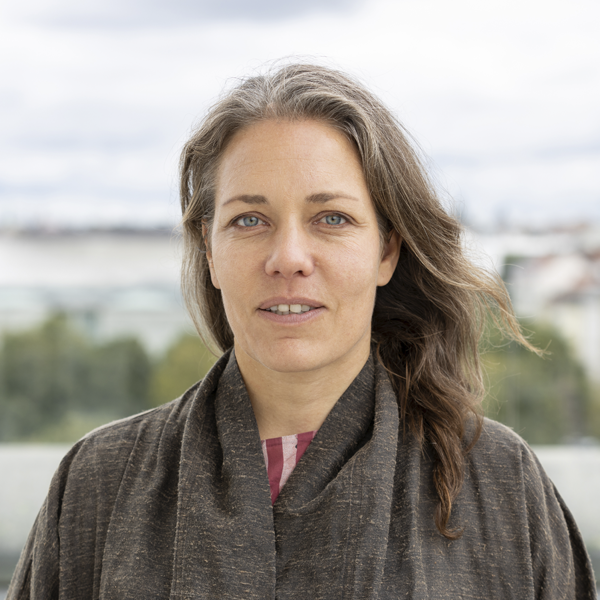
HENRIETTE WAAL, The Netherlands
BIOREGIONAL DESIGN: How Can Local Ecosystems Shape the Future?
This year’s Mikser Festival welcomes Henriette Waal, an internationally acclaimed eco-social designer, Artistic Director of Veenweide Atelier in the Netherlands, and co-founder of Atelier LUMA in France.
Through her work, Henriette dissolves the boundaries between nature, design, and local communities. Rather than relying on artificial technological solutions, she works with microorganisms, fungi, and native plant species to develop materials and systems for the future. Her holistic initiatives bring together farmers, scientists, and designers to transform ecological challenges into opportunities for innovation, while strengthening local economies and fostering sustainable development.
IVAN KUĆINA, Italy / Serbia
THE GOOD, THE BAD, AND THE UGLY AI
Ethics, Creativity, and Responsibility in the Age of Artificial Intelligence
Does artificial intelligence liberate creativity or reduce it to a series of automated patterns? Where is the line between a useful tool and a substitute for human thinking? And how can we use AI responsibly without sacrificing authenticity, critical reflection, and professional ethics?
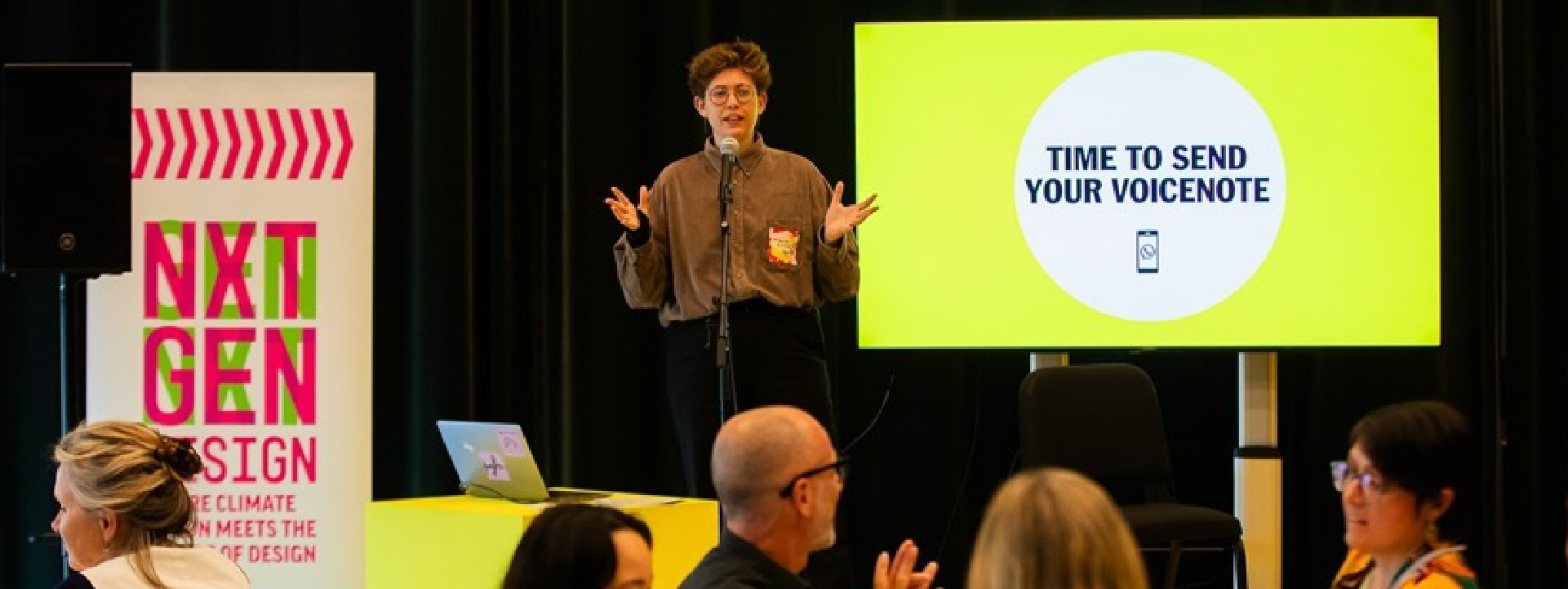
In his lecture The Good, the Bad, and the Ugly AI, architect and founder of the School of Urban Practices, Ivan Kućina, guides us through the rapidly evolving landscape of AI tools that are already transforming the way we design, research, and communicate ideas. Drawing on examples from architecture, design, and education, the lecture explores both the potential of AI to accelerate creative processes and the ethical dilemmas that arise when we become overly dependent on algorithms.
From early sketches and conceptual development to visualizations, BIM models, and presentations, AI is becoming an integral part of contemporary design practice. Yet what remains irreplaceable is human judgment, cultural sensitivity, spatial awareness, responsibility, and care for the communities we design for.
This lecture is intended for young architects, designers, students, and creative professionals who want to understand how to use AI as an ally—rather than a substitute for their own imagination.